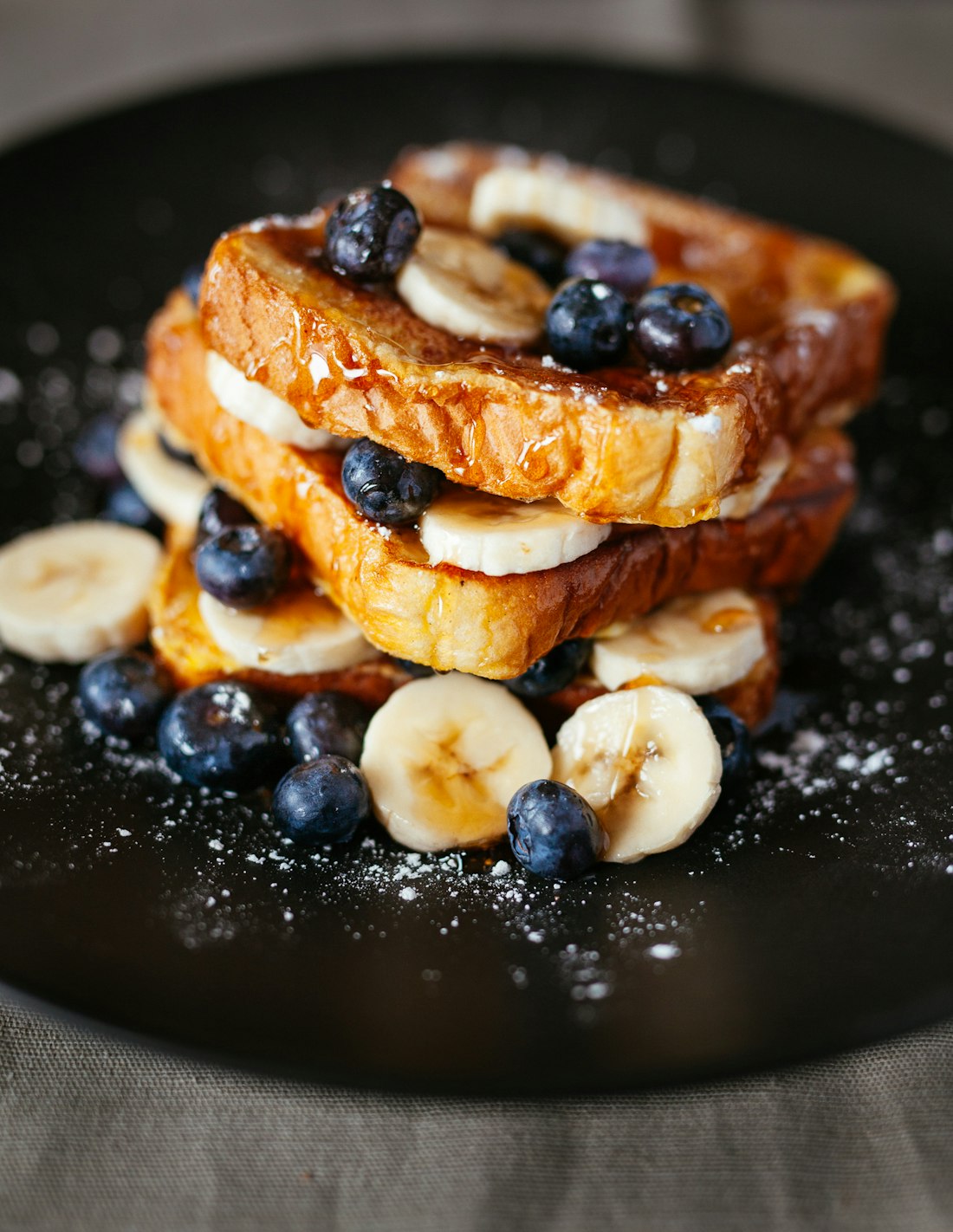
Classic French Toast
French toast is one of those timeless breakfast classics that transforms the simplest of ingredients — bread, eggs, milk, and a whisper of cinnamon and vanilla — into something truly magical. Known as "pain perdu" in France, which poetically translates to "lost bread," this dish was originally created as a clever way to revive stale bread by soaking it in a sweet, custardy egg mixture and cooking it to golden perfection. The result is a breakfast that is simultaneously crispy on the outside and impossibly soft and custardy within.
The beauty of French toast lies in its simplicity and versatility. The basic recipe requires just five minutes of preparation and ten minutes at the stove, making it an ideal weekend morning treat or a special weekday breakfast when you want to start your day with something truly wonderful. While the classic version with maple syrup and a dusting of powdered sugar is perfection, you can dress it up with fresh berries, whipped cream, caramelized bananas, Nutella, or even a savory twist with cheese and herbs.
Ingredients
- 6 thick slices bread — brioche, challah, or thick-cut white bread works best (day-old is ideal)
- 3 large eggs
- 3/4 cup whole milk
- 1 teaspoon pure vanilla extract
- 1 teaspoon ground cinnamon
- 1 tablespoon granulated sugar
- Pinch of salt
- 2 tablespoons butter for cooking
- Toppings: maple syrup, powdered sugar, fresh berries, whipped cream
Step-by-Step Instructions
- Make the custard: In a wide, shallow bowl or baking dish, whisk together the eggs, milk, vanilla extract, cinnamon, sugar, and a pinch of salt until thoroughly combined and smooth. The mixture should be uniform in color with no streaks of egg white visible. This custardy mixture is the heart of great French toast — it is what gives each slice its rich, creamy interior and beautiful golden color.
- Soak the bread: Take each slice of bread and place it into the custard mixture. Let it soak for about 20 to 30 seconds on each side, allowing the bread to absorb the liquid without becoming so saturated that it falls apart. Thick, slightly stale bread is ideal because it holds its structure while absorbing maximum custard. If your bread is fresh, let it sit out uncovered for an hour before using, or lightly toast it first.
- Heat the pan: Melt one tablespoon of butter in a large non-stick skillet or griddle over medium heat. Swirl to coat the entire surface. Wait until the butter is foaming but not yet browning — this is the perfect temperature for French toast.
- Cook to golden perfection: Place the soaked bread slices in the pan, being careful not to crowd them. Cook for 2 to 3 minutes per side until each slice is beautifully golden brown and crispy on the exterior. The key is maintaining medium heat — too high and the outside burns while the inside stays raw; too low and the bread dries out without developing that gorgeous caramelized crust. Add more butter between batches as needed.
- Serve immediately: Transfer the cooked French toast to warm plates. Top with a generous drizzle of real maple syrup, a dusting of powdered sugar, a handful of fresh mixed berries, and a dollop of whipped cream if desired. Serve while still hot and crispy for the absolute best experience.
• Brioche or challah bread makes the most decadent French toast because of their rich, buttery crumb.
• Day-old bread is actually better than fresh — it absorbs the custard without falling apart.
• Add a tablespoon of orange zest to the custard for a sophisticated citrus twist.
• For a make-ahead brunch, keep finished slices warm on a wire rack set over a sheet pan in a 200°F oven while you cook the remaining batches.